
Plastic thermoforming companies play a crucial role in providing custom products and components to customers from various industries. Whether your field is automotive, medical, or consumer goods, thermoformed plastics offer quality performance at a reasonable price.
But what exactly do thermoforming companies do, what should you know about their capabilities, and how do you choose the right one to partner with for your needs? This blog article will answer these questions and more. Learn all the essentials about one of the top manufacturing processes available to you.
WHAT IS THERMOFORMING?
Thermoforming is a manufacturing process that involves heating a thermoplastic sheet to make it pliable and then forming it into a specific shape. This is accomplished by pressing the sheet onto a mold using vacuum or air pressure. The mold gives the plastic its final shape. The plastic is cooled to retain the shape, and the newly created product is ready for finishing.
Thermoforming encompasses any manufacturing process that utilizes heat to transform raw material into plastic components. Thermoforming processes include:
- Vacuum Forming – The vacuum forming process involves using vacuum pressure to pull the heated thermoplastic sheet over the mold
- Pressure Forming – The pressure forming process is similar to vacuum forming but adds air pressure to create more detailed features
- Twin Sheet Forming – The twin sheet forming process involves heating and forming two plastic sheets simultaneously and then bonding them together to create hollow parts
The type of thermoforming process used depends on the specific needs of the customer and involves considerations like:
- Product specs (size and shape)
- Material thickness
- Quantity required
- Customization options (embossing or engraving)
If you are new to thermoforming, the company you partner with can provide recommendations based on their manufacturing expertise and your current project necessities.
INDUSTRIES SERVED BY THERMOFORMING COMPANIES
The versatility of thermoforming makes it compatible with several industries, including:
- Automotive – Thermoformed parts are commonly used by the automotive industry for vehicle interiors, exteriors, and even under the hood due to their durability and lightweight nature
- Medical – Plastic thermoforming is used to produce critical medical equipment and medical device housings because FDA-approved materials can be used that offer high chemical resistance and meet strict healthcare industry standards
- Aerospace – The lightweight yet durable nature of thermoformed components makes them ideal for aerospace applications
- Construction – The construction industry utilizes thermoforming services for structural and decorative elements
- Food packaging – Thermoforming can utilize food-safe materials to produce food packaging trays, containers, and lids
- Recycling – Sustainable materials can be used to manufacture containers and bins for the recycling industry
- Consumer goods – Thermoforming allows for the production of creative, eye-catching, durable, and cost-effective designs like point of purchase (POP) displays
THERMOFORMING BENEFITS
There are several advantages to thermoforming as a plastic manufacturing process. The benefits of thermoforming include:
- Low tooling costs
- Fast lead times
- Design flexibility
- Numerous material options
- Produces lightweight products
- Product durability
- High quality
- Products may be recycled
- Low- to high-volume production capabilities
- Applicable to a variety of industries
AN OVERVIEW OF THERMOFORMING MACHINES AND EQUIPMENT
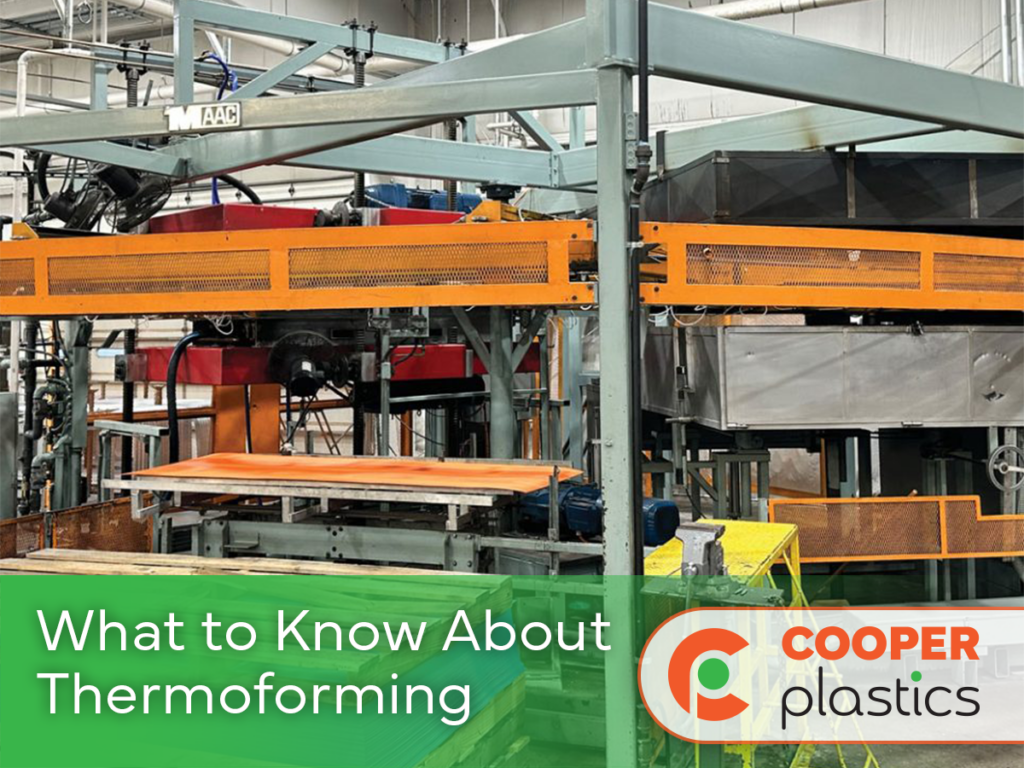
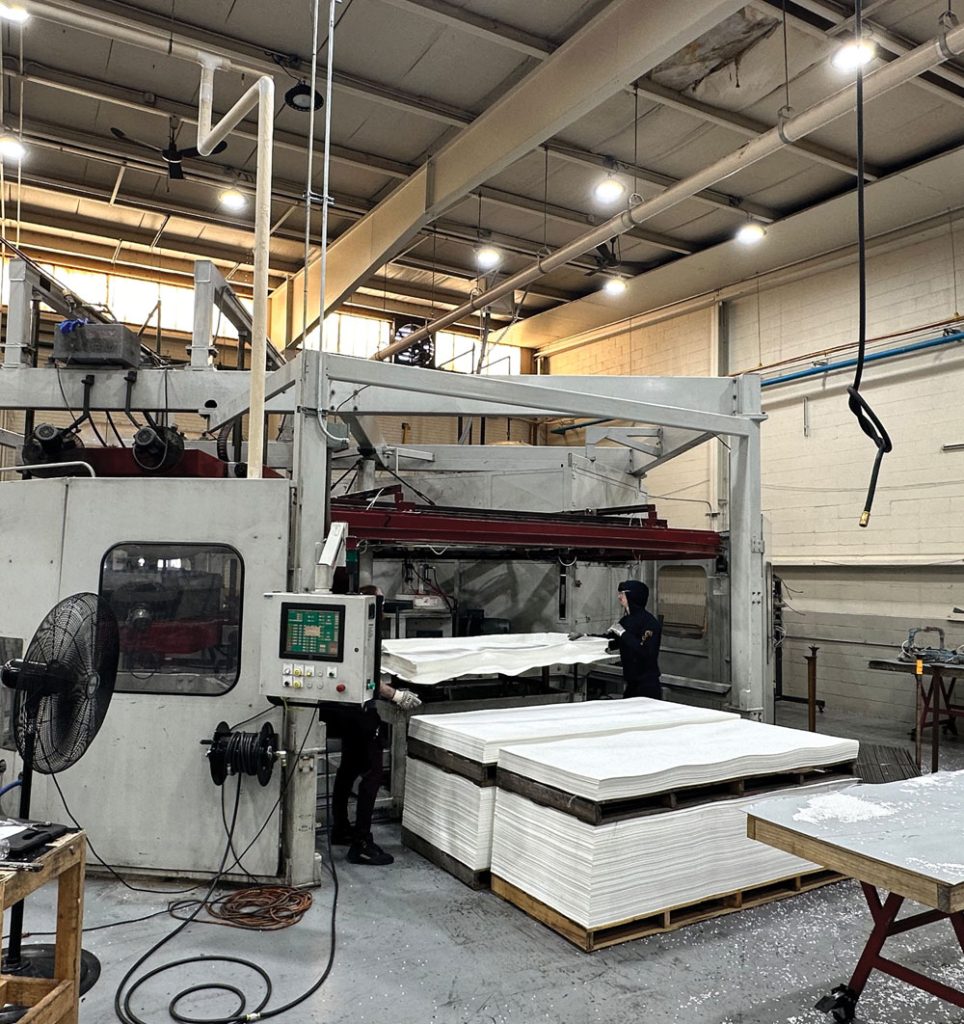
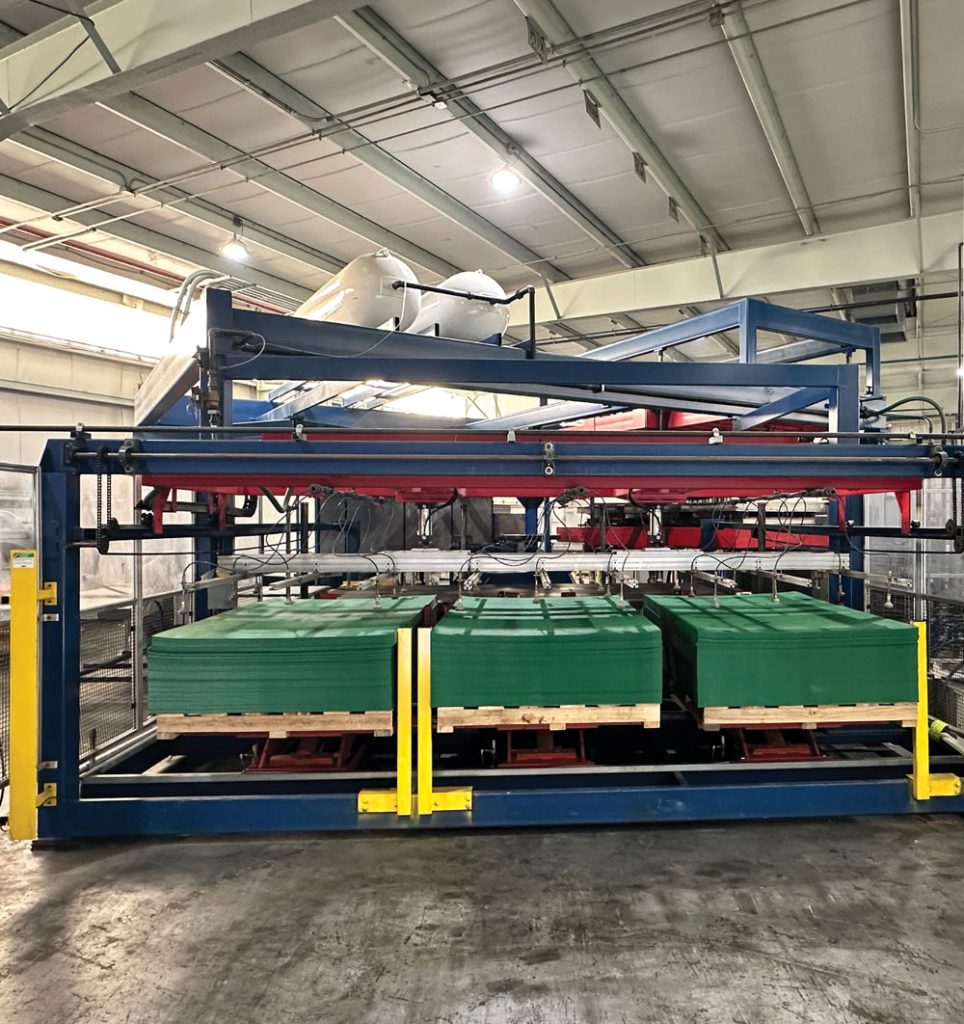
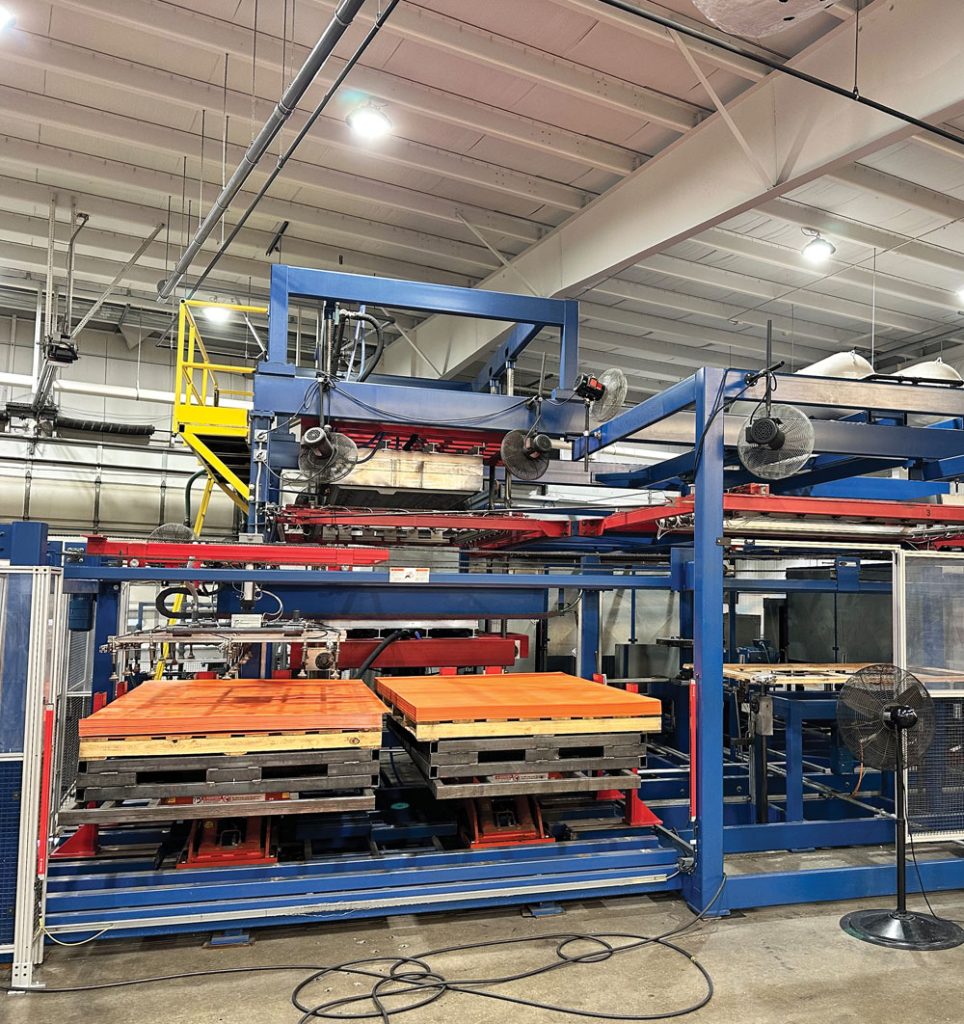
The machines used in the thermoforming industry come in numerous models and sizes. For example, Cooper Plastics has five different thermoforming machine configurations to meet the various needs of customers. Thermoforming machines feature state-of-the-art heaters and vacuum pumps so production is precise and consistent. They have diverse design- and material-handling capabilities so manufacturers can produce both simple components and products with more complex designs.
Today’s thermoforming technologies also feature advanced automation and computer-aided design (CAD) tools to make the production process highly efficient. Many thermoforming companies offer value-added services like finishing and assembly as well, using CNC machines or similar equipment for trimming and routing tasks.

THERMOFORMING MATERIALS
Companies have a lot of flexibility when it comes to choosing the plastic materials used in the thermoforming process. Plastic products can be manufactured using a variety of materials. Common materials include:
- High-density Polyethylene (HDPE)
- High-impact Polystyrene (HIPS)
- Acrylonitrile Butadiene Styrene (ABS)
- Thermoplastic Polyolefin (TPO)
- Polycarbonate (PC)
- Polyethylene Terephthalate Glycol (PETG)
- Polypropylene (PP)
- Polystyrene (PS)
No material is exactly the same, and each features unique properties such as impact resistance, flexibility, transparency, or UV stability. This gives companies the ability to choose the material that is the best fit for their project. Thermoforming materials can also be eco-friendly and recyclable to help meet sustainability requirements.
THE THERMOFORMING PROCESS IN DETAIL
Thermoforming can be used for both small and large production runs. Here’s a more detailed look at how thermoforming is done:
- The thermoforming machine clamps the plastic sheet and holds it in place
- The sheet is heated to make it soft and pliable
- The sheet is stretched so that it’s ready for molding
- The heated sheet is pulled tightly against the mold with vacuum pressure
- The newly formed plastic product is cooled to room temperature so that it retains its shape
- The excess material is trimmed from the product
- The finished product is released from the machine
PRODUCT DEVELOPMENT AND DESIGN CONSIDERATIONS
When working with a thermoforming company, it’s essential to understand the design guidelines and tolerances involved. The feasibility of the design depends on key factors like draw ratio, draft angles, and material thickness.
To ensure your finished product meets both functional and aesthetic requirements, it’s important to collaborate with your thermoforming company for design consultations, material selection, and any applicable testing. From prototyping to production, attention to detail at every step is the way to make sure expectations are met and exceeded.
WHAT TO LOOK FOR IN THERMOFORMING COMPANIES
Whether you need automotive parts or medical equipment, choosing the right partner can make a significant difference in the success of your project. But how do you separate the best thermoforming companies from the average ones? Below is a list of qualities to look for.
- Quality and consistency – High-quality, consistent production is essential. Look for companies that have experienced craftsmen utilizing state-of-the-art machines and follow strict quality control procedures. Their portfolio should demonstrate versatility in serving a wide range of customers and project types. It’s also a positive if the company possesses industry certifications and is involved with one or more industry associations because this demonstrates its commitment to industry excellence.
- Customization and speed – A top company should offer extensive custom thermoforming options. Every customer and project is unique, and your partner should be able to adapt to meet your requirements. Additionally, look for companies that can help you save time by offering fast lead times and quick project turnaround to meet any tight deadlines.
- Customer satisfaction – You never want to underestimate the importance of customer service. Projects go more smoothly and deliver more positive results when the company is responsive and collaborates with its customers at every step. You can look for reviews, testimonials, and case studies to gauge how well companies meet clients’ expectations.
READY TO GIVE THERMOFORMING A TRY?
Thermoforming companies offer a wide range of capabilities and services that are integral to numerous industries. By understanding the thermoforming process and its benefits, you can ensure your project is handled by experts who will meet your needs. Whatever your project, partnering with a well-qualified thermoforming company can help you get high-quality products that fit your budget, along with customer service that keeps you coming back for future jobs.
Want additional information about ways thermoforming can benefit your next project? Contact Cooper Plastics today to learn more or request a quote. We are experts who offer not only thermoforming but also other capabilities that include rotomolding, injection molding, blow molding, and foam & web injection molding.