


In custom plastics fabrication, selecting the right materials is crucial to ensuring your product’s success. Whatever your industry, the plastic material used can impact performance, durability, and cost.
If you’re new to plastic manufacturing or just want to expand your knowledge to ensure your project is completed to perfection, you’ve come to the right place. In this blog article, we explore why making the right material choice is so important.
UNDERSTANDING CUSTOM PLASTICS FABRICATION
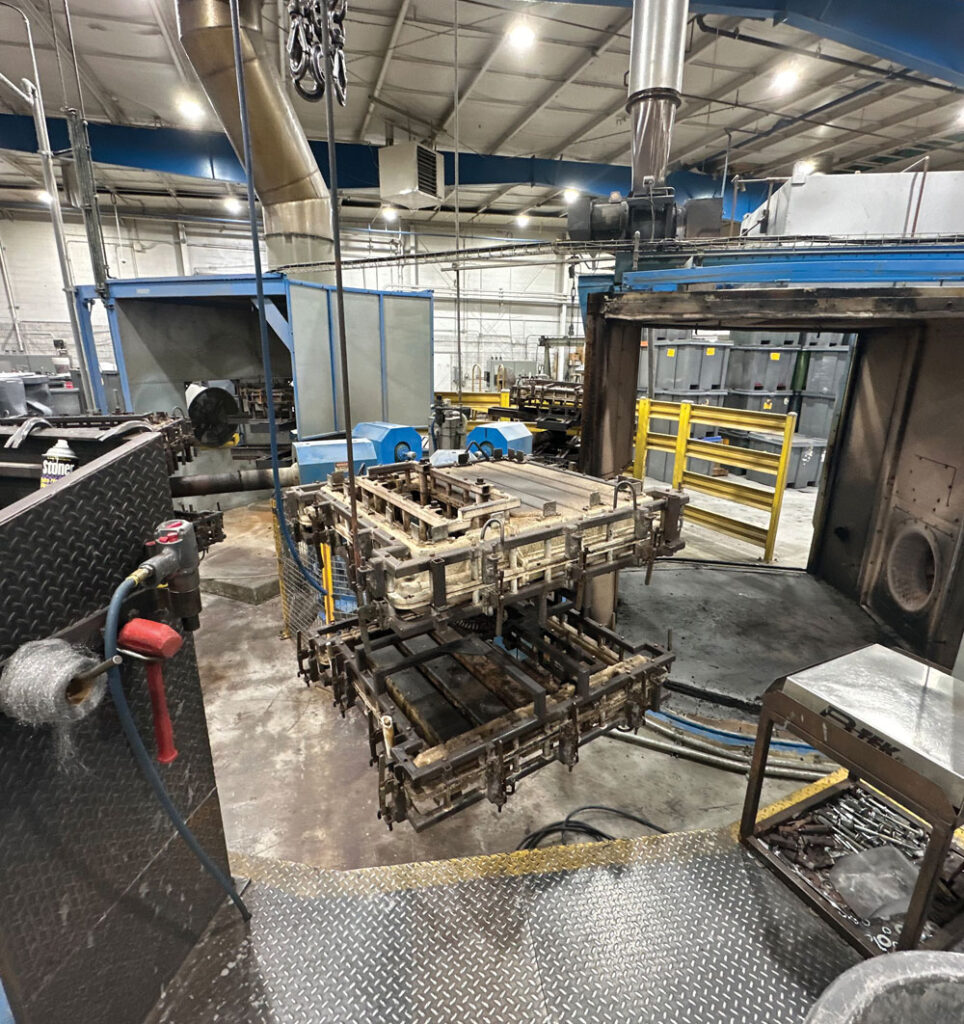
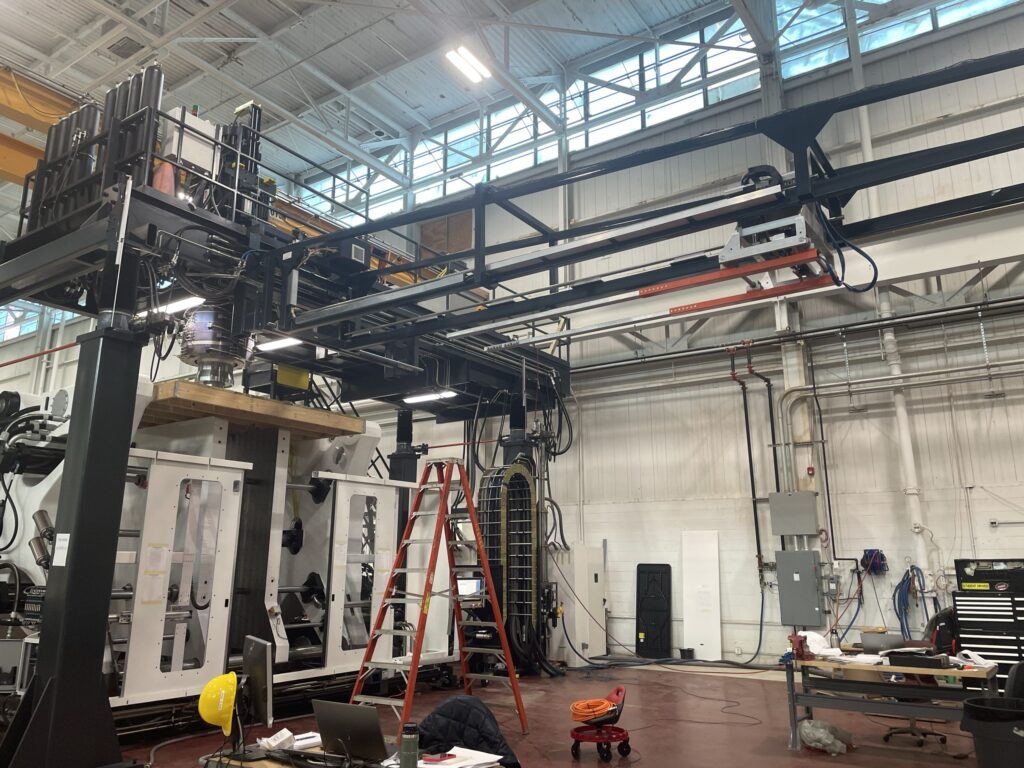
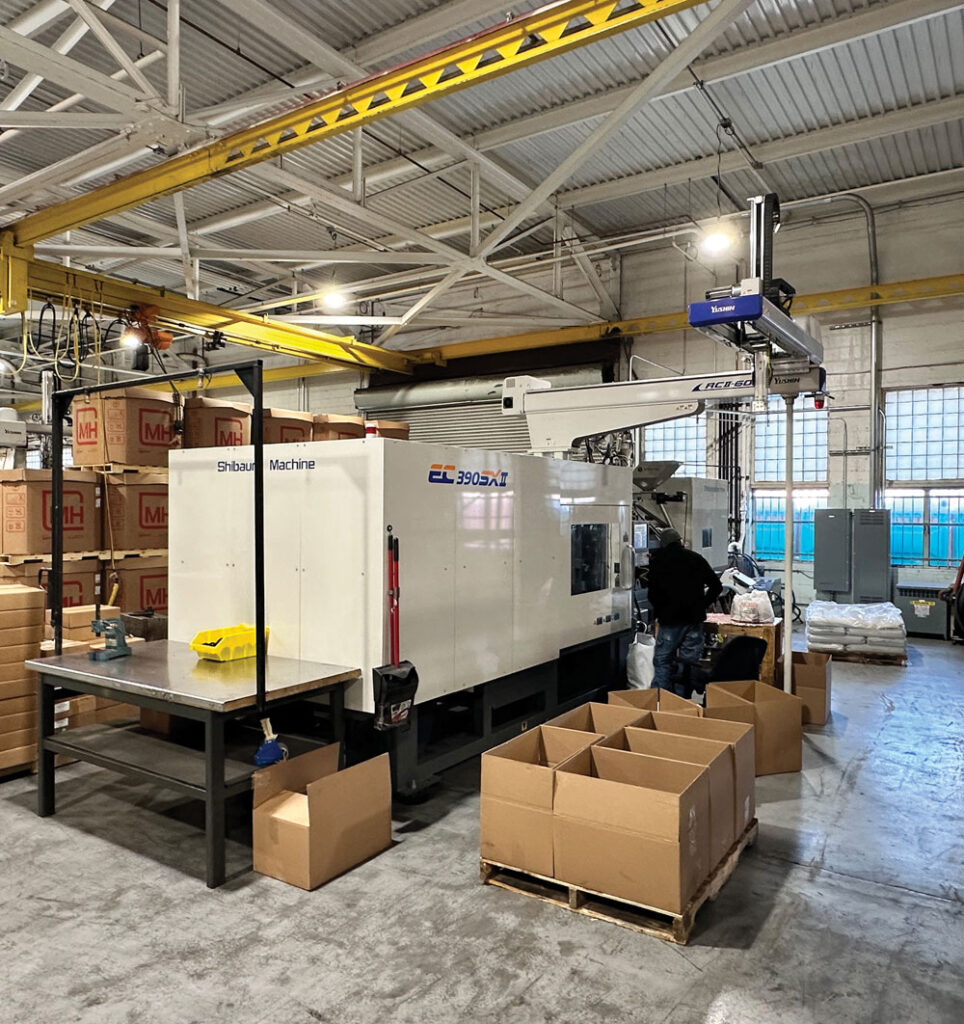
Custom plastics fabrication refers to the numerous manufacturing processes utilized to transform plastic material into customized plastic parts. Processes such as thermoforming, injection molding, rotational molding, blow molding, and more can be utilized to create components specially designed to meet customers’ size, shape, material, and functionality requirements.
Custom plastics manufacturers like Cooper Plastics employ experienced craftsmen and use state-of-the-art equipment to meet the unique needs of customers from various industries ranging from construction to automotive to aerospace. Engineers and manufacturing experts collaborate with clients to create a blueprint for production success. The journey begins with material selection.
KEY FACTORS WHEN SELECTING PLASTIC MATERIALS
Custom plastic products can be made using a range of materials. While it’s good to have options, it can be challenging to make the right choice for your project. Depending on which factors are most important, the material that makes the most sense for one company may be completely different than that of another.
Below are some of the key factors to consider when selecting plastic materials.
PERFORMANCE REQUIREMENTS
In nearly every circumstance, product performance rates at or near the top of the list of priorities. Different industries have different needs, and each material offers unique properties that can provide the necessary performance. For example, polycarbonate (PC) is often chosen for its strength and transparency, making it ideal for products like medical devices and automotive parts. Meanwhile, Polyvinyl chloride (PVC) is frequently used in construction due to its versatility and durability.
Your manufacturer can help you match your plastic material to your project needs. Experts will ensure the material you choose can handle the required conditions, such as extreme temperatures or exposure to chemicals or UV rays.
COST CONSIDERATIONS
Finding the most cost-effective material is essential. Some plastic materials, like high-density polyethylene (HDPE) or polyethylene terephthalate (PET), may have lower upfront costs, while others, like polyetherimide (PEI), provide long-term savings due to their durability.
You may also opt to begin your project with sheet extrusion, which is a manufacturing process that transforms your selected material into a flat, cut-to-size plastic sheet that can be used in another operation like thermoforming. Sheet extrusion can produce various sheet sizes and is economical because machines can run continuously.
Plastic manufacturing companies like Cooper Plastics may also offer value-added services like parts finishing and CNC machining that optimize material use, reducing waste and saving money.
ENVIRONMENTAL AND REGULATORY FACTORS
If your company and industry are eco-conscious and prioritize sustainability, you can choose materials that are recyclable or compliant with environmental standards. Your manufacturing partner can work with you to identify materials that will meet your quality standards while reducing your environmental impact.
Every industry also has unique regulations. For example, medical-grade plastics must adhere to specific safety and hygiene standards. Your manufacturer can assist in selecting materials that comply with these regulations, ensuring your final product is up to code.
AESTHETIC REQUIREMENTS
The appearance of your custom plastic fabrications is just as important as their function, especially for consumer-facing products. Maybe you need to achieve a sleek finish. Or perhaps aesthetics are secondary, but color, texture, and finish still matter to reflect your business’s brand.
Whatever the case, the right material can make your plastic product stand out. By communicating goals such as your desired finish, your manufacturer can ensure your custom fabrication functions perfectly and looks great.
THE IMPACT OF MATERIAL SELECTION ON PRODUCT LONGEVITY
The right material can dramatically extend the lifespan of your product, enabling it to hold up and continue to perform at a high level, even when placed under challenging circumstances such as high stress or temperatures.
For instance, when fabricating high-precision parts used in electronics or semiconductors, selecting polymers with high heat resistance or electrical insulation properties, such as PET, can ensure product longevity and reliability. In industries where tough conditions require durable materials, like agriculture, a material like polypropylene (PP) is a good choice because of its ability to withstand heavy use.
HOW TO CHOOSE THE RIGHT MATERIAL
A quality custom plastic fabricator can tailor services to meet specific project needs. This includes the ability to utilize various plastics to satisfy customer requirements. But how do you know which material is right for you?
Here are some factors to look for in the plastic manufacturers you’re considering:
- Custom Plastics Fabrication Expertise: The company you partner with should employ industry experts who know the characteristics of the most commonly used plastics. This knowledge enables them to help clients pinpoint the perfect materials for their projects.
- Advanced Tools and Technology: Precision and efficiency are essential in custom plastic fabrication. It’s only possible with state-of-the-art machines and technology. Look for a source that is properly equipped to provide prototyping services to test your materials and ensure they meet your specifications before full-scale production begins.
- Production Flexibility: In addition to offering extensive material options, your manufacturing source should be flexible and able to cater to diverse needs, from small business orders to large-scale projects. A comprehensive range of services, from custom fabrication to value-added services like parts finishing and assembly, demonstrates an ability to meet the demands of any industry.
INTERESTED IN QUALITY CUSTOM PLASTIC FABRICATION SERVICES?
Material selection is one of the most important factors in custom plastics fabrication. Whether you’re designing a prototype or moving into full-scale manufacturing, the right material ensures that your product is durable, cost-effective, and compliant with industry standards.
Want to learn more about custom plastics fabrication and how it can benefit your business? Contact Cooper Plastics today to get additional information or request a quote. We have diverse manufacturing capabilities that include sheet extrusion, thermoforming, rotomolding, injection molding, structural foam and web injection molding, and blow molding.