


Demand is high for top-quality, durable plastic parts like consumer electronics, medical devices, and automotive components. Companies constantly battle with competitors to provide better products and reduce costs. A custom plastic manufacturer is a key player in the competition due to its crucial role in delivering custom plastic products that meet the high expectations of reliability, precision, and cost-effectiveness.
But how exactly do plastic manufacturers ensure that all custom plastic parts and products meet client expectations and rigorous industry standards?
The answer lies in a detailed and well-executed quality assurance (QA) process, where technology and human expertise work hand-in-hand. In this blog article, we’ll take a closer look at the key components of the process, the role of industry experts, and why it’s essential to achieve quality in custom plastic manufacturing.
WHAT IS QUALITY ASSURANCE IN CUSTOM PLASTIC MANUFACTURING?
Quality assurance is a comprehensive system of checks and balances designed to ensure that every stage of the custom plastic manufacturing process meets predefined standards for accuracy, durability, and efficiency. QA involves stringent monitoring, evaluation, and continuous improvement practices that prevent defects before they occur, reducing waste and costs.
Quality assurance is often confused with quality control (QC), but they are not the same. While QA focuses on process-oriented measures (preventing defects from happening in the first place), QC is more product-oriented, identifying errors and ensuring that the final plastic products are defect-free through post-production testing and inspections.
At Cooper Plastics, we believe in embedding QA throughout the entire production cycle — from the selection of raw materials to the final stages of product inspection.
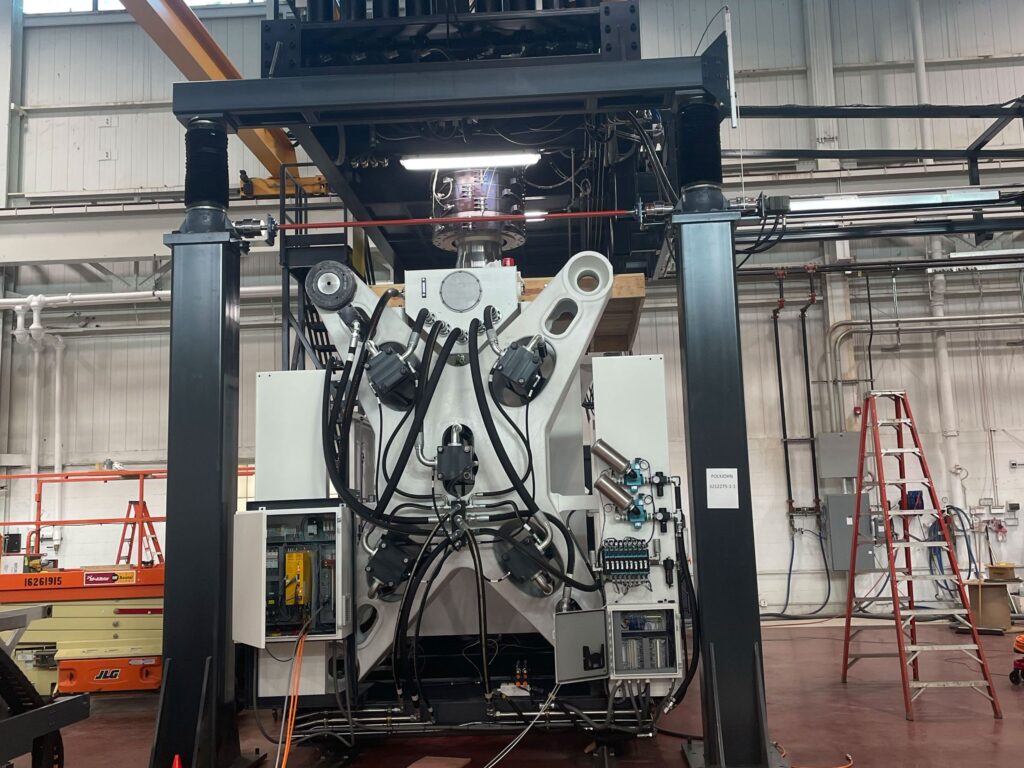
KEY COMPONENTS OF THE QUALITY ASSURANCE PROCESS IN CUSTOM PLASTIC MANUFACTURING
To fully understand how QA is applied in custom plastic manufacturing, let’s explore its main components.
MATERIAL SELECTION AND TESTING
The first step in the plastic manufacturing process is selecting the right thermoplastic material to be used in the product. The properties of the plastic material directly affect product characteristics like durability, flexibility, heat resistance, and chemical resistance.
During this stage, QA teams perform tests to ensure that materials meet the required specifications. For example, they would verify whether electronics will be able to withstand heat or whether food packaging will be able to withstand chemical exposure. Materials undergo stress tests, pressure tests, and thermal assessments to ensure that they will perform well in their intended environment.
DESIGN AND PROTOTYPING QUALITY MEASURES
The product development process for a custom plastic manufacturer begins with the creation of a design that meets exact customer specifications. Prototyping also occurs, where rapid prototyping technologies such as 3D printing are used to create test versions of the product before mass production.
The manufacturer will apply design for manufacturability (DFM) principles to ensure the design is optimized for both production and long-term durability. By testing early-stage prototypes, they can identify and correct any flaws before proceeding to full-scale manufacturing, ensuring a smoother production process.
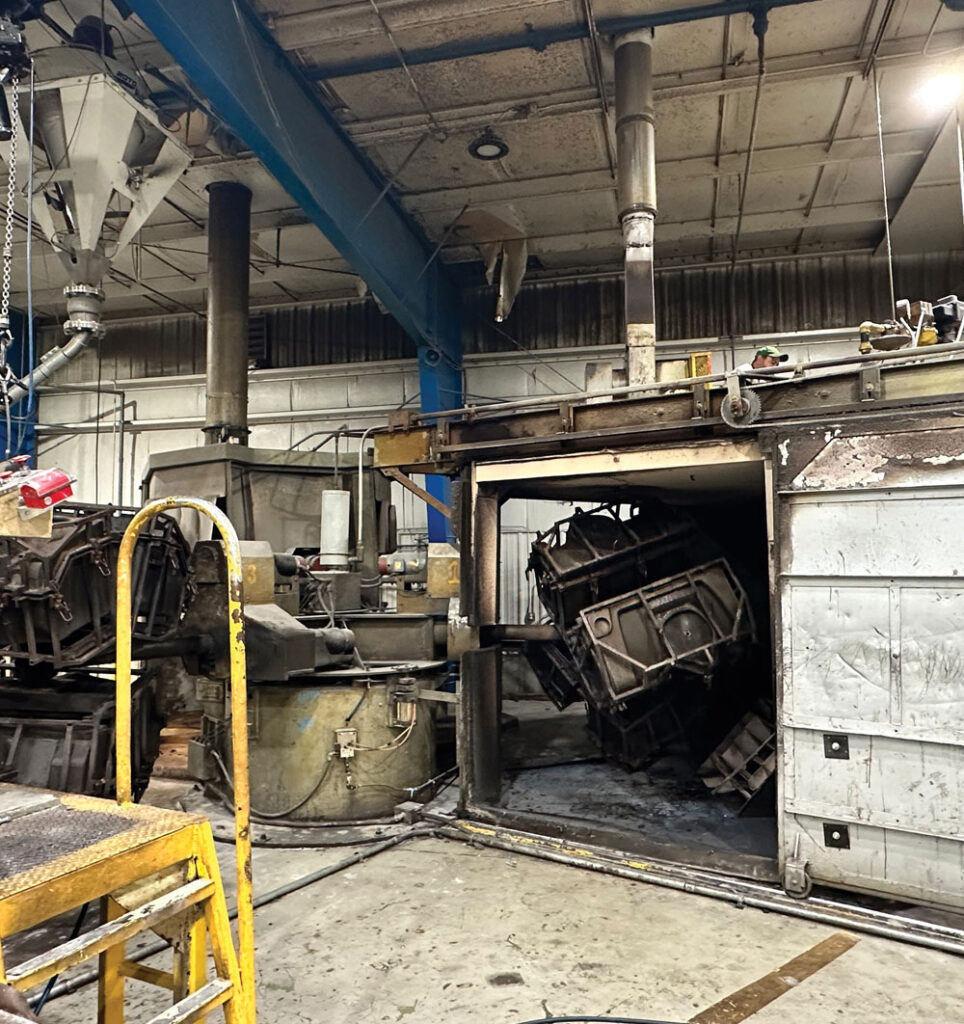
PRODUCTION MONITORING AND PROCESS CONTROL
Cutting-edge equipment is used in the custom plastics manufacturing process, and automation plays a key role in maintaining consistent quality. Machines like sheet extrusion lines, injection molding machines, and blow molding systems feature advanced monitoring tools to help operators maintain ideal temperature, pressure, and cycle time during production.
The manufacturer may use Statistical Process Control (SPC) or a similar application to identify variations in the manufacturing process and adjust accordingly before defects occur. This approach ensures consistency, particularly when producing high-volume orders.
POST-PRODUCTION INSPECTION AND TESTING
Following production, quality control ensures the final products have no defects. This involves both visual inspections for things like surface appearance, color, and dimensional accuracy, as well as more technical tests to check things like tensile strength and impact resistance.
For more complex parts, QA specialists may conduct more rigorous testing for things like electrical insulation and thermal resistance. The purpose of these tests is to ensure the product meets all industry standards and customer specifications before being packaged and delivered.
Some inspection tasks and tests may be included in the production process, while others could fall under value-added services that come with additional charges. Check with your manufacturing partner for specific details.
CONTINUOUS IMPROVEMENT AND FEEDBACK LOOPS
A final element of QA is continuous improvement. Custom plastic manufacturers like Cooper Plastics are constantly pursuing ways to improve and leverage feedback from both customers and internal teams. This feedback is vital in refining the QA process and ensuring expectations are met and exceeded every time.

THE HUMAN ELEMENT IN QUALITY ASSURANCE: EXPERTISE ENSURES SUCCESS
While machinery and automation are essential to modern plastic manufacturing, the industry experts who develop and manage the technology are just as important in ensuring quality assurance is upheld. These specialists — engineers, technicians, etc. — are highly experienced and knowledgeable, allowing them to identify potential issues that machines might miss.
THE ROLE OF INDUSTRY EXPERTS IN QA
QA experts interpret data, troubleshoot issues, and make real-time decisions to correct problems before they escalate. Their knowledge of plastic materials and manufacturing processes enables them to make suggestions and create QA processes that best serve each unique process. This attention to detail is invaluable in delivering on the promise of meeting the highest quality and efficiency standards.
PROBLEM-SOLVING AND TROUBLESHOOTING
In custom plastic part manufacturing, challenges can arise at any production stage. Maybe there’s a flaw in the mold or an unexpected issue with the plastic material used in the injection molding process. Whatever the case, it’s up to the industry experts to respond quickly. Their ability to diagnose and resolve issues quickly is crucial in preventing costly production delays or product defects.

QA INDUSTRY STANDARDS AND CERTIFICATIONS
A fundamental part of the QA process is ensuring compliance with industry standards. Certifications like ISO 9000 set strict guidelines for maintaining high-quality production environments. In addition to ISO certifications, compliance with regulatory organizations such as the Food and Drug Administration (FDA) and the Restriction of Hazardous Substances in Electrical and Electronic Equipment (RoHS) ensures that every product is safe, reliable, and compliant with legal standards.
THE FUTURE OF CUSTOM PLASTIC MANUFACTURING QUALITY ASSURANCE
As the custom plastic manufacturing industry evolves, so will the procedures and technologies that drive quality assurance. Artificial intelligence (AI), machine learning, and predictive analytics are already reshaping how every custom plastic manufacturer monitors and adjusts production processes. These emerging technologies allow for even greater efficiency while reducing material waste, minimizing product defects, and improving product consistency.
And with sustainability in mind, QA is vital to optimizing recycling processes, material efficiency, and eco-friendly production practices.
CHOOSE A CUSTOM PLASTIC MANUFACTURER THAT PRIORITIZES QUALITY ASSURANCE
Quality assurance in custom plastic manufacturing is paramount to delivering high-quality, durable products that meet and exceed customer expectations. Choosing a custom plastic manufacturer that prioritizes QA ensures that your project is in capable hands supported by experience, knowledge, and technology.
At Cooper Plastics, we combine the latest in technology with the expertise of industry professionals to ensure that every product meets the highest standards of quality and precision. Contact Cooper Plastics today to learn more or request a quote. We offer a range of manufacturing capabilities that include sheet extrusion, thermoforming, rotational molding, injection molding, blow molding, and foam & web injection molding.