

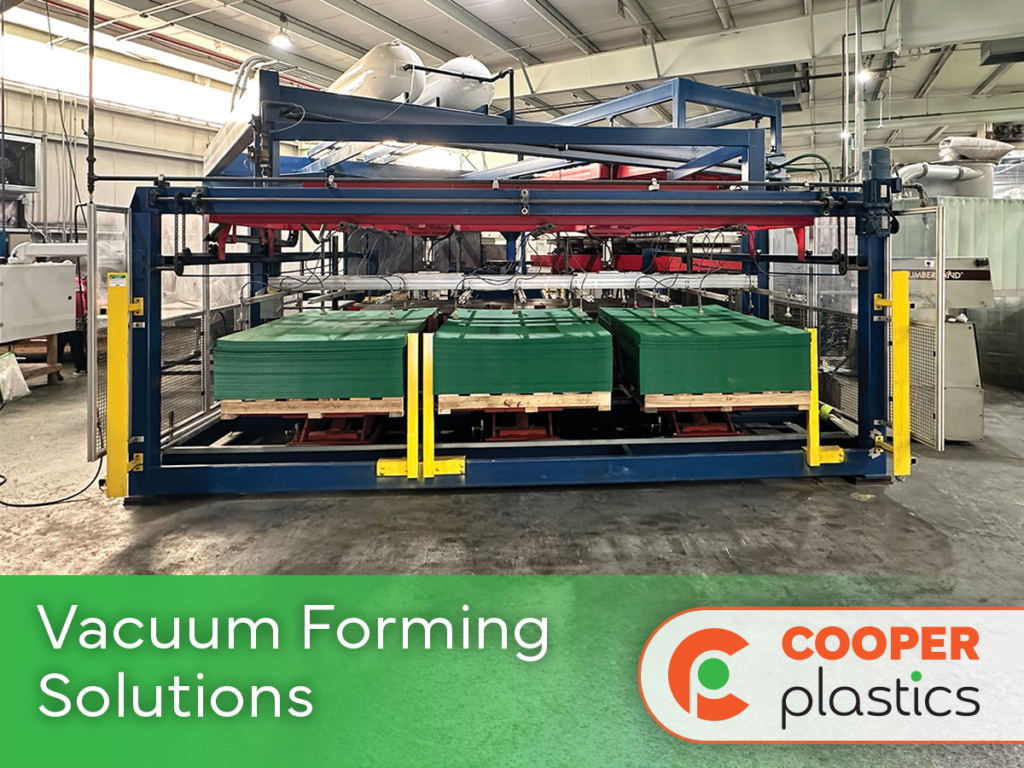
Businesses in need of plastic products and components are constantly on the hunt for manufacturers that can deliver high-quality, cost-effective solutions. In today’s fast-paced manufacturing world, companies that leverage advanced vacuum forming processes stand out.
Vacuum forming companies play a crucial role in industries ranging from automotive and aerospace to medical and construction. Why is this the case? In this article, we’ll dive into the details of what vacuum forming companies do and how they provide cutting-edge solutions to their customers.
WHAT IS VACUUM FORMING?
Vacuum forming is a manufacturing method that is also known as vacuum pressure forming or thermoforming. The process involves heating a sheet of plastic material until it becomes pliable and then using vacuum pressure to pull it tightly over a mold. The mold gives the plastic its final shape, and once cooled, the newly formed product is ready for finishing.
It is important to note that thermoforming refers to any process that involves heating plastic material and then shaping it. Vacuum forming is just one type of thermoforming. However, there is another type of thermoforming called pressure forming. Pressure forming is similar to vacuum forming in that it uses suction to pull the plastic sheet against the mold. The difference is that a powerful jet of air simultaneously presses the plastic into the mold from above.
Vacuum forming is typically used to manufacture simpler products at lower production costs, whereas pressure forming and other thermoforming methods may be required for more complex designs.
THE HISTORY AND EVOLUTION OF VACUUM FORMED PLASTICS
The history of vacuum forming plastics can be traced back to the early 20th century. In 1947, G.W. Borkland filed a patent for a vacuum forming machine and would later make improvements to the technology. The popularity of vacuum forming began to grow in the 1950s as a series of vacuum forming machines were developed and perfected.
Since then, advancements in plastic materials and machinery have dramatically improved the efficiency, precision, and scalability of vacuum forming. From the original vacuum molding machines to today’s state-of-the-art systems, vacuum forming companies have continuously evolved to meet the needs of industries requiring quick production at lower costs. Technological advancements such as computer automation and recyclable plastics have made vacuum forming more sustainable and efficient than ever.
VACUUM FORMING MACHINERY AND EQUIPMENT
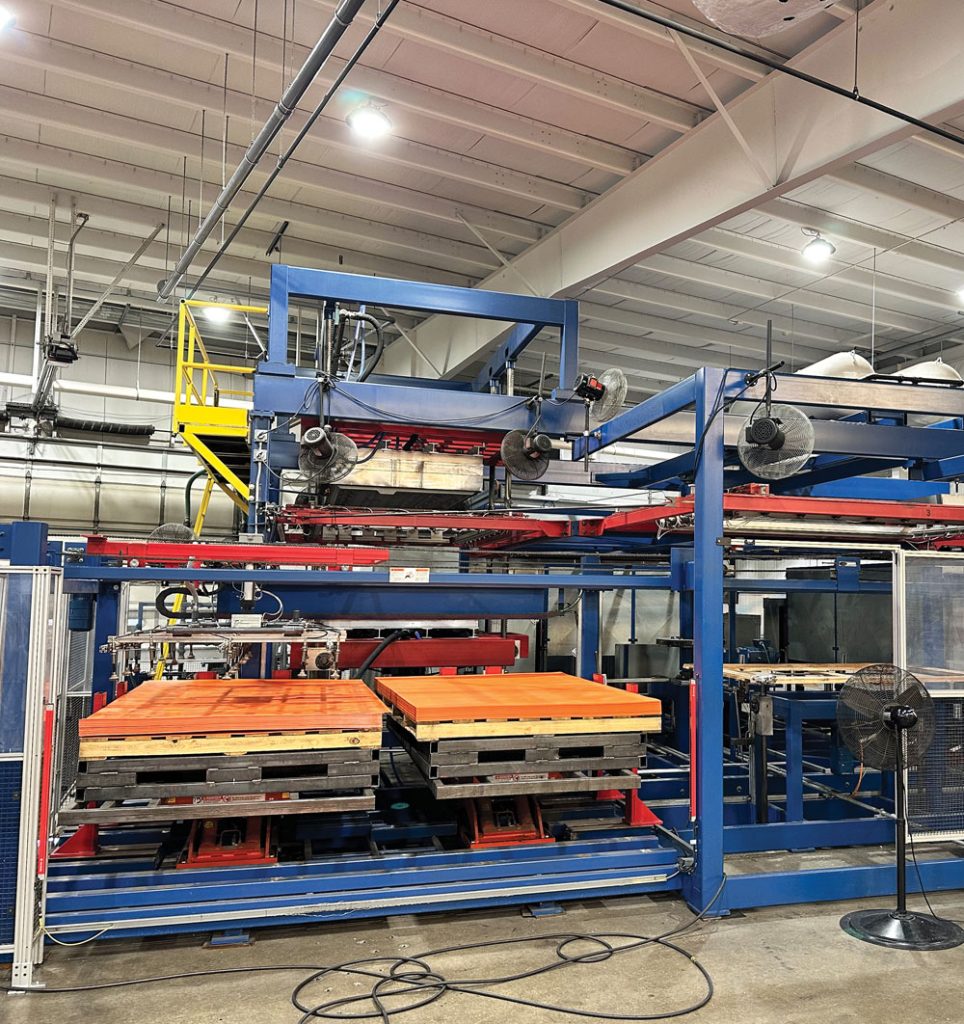
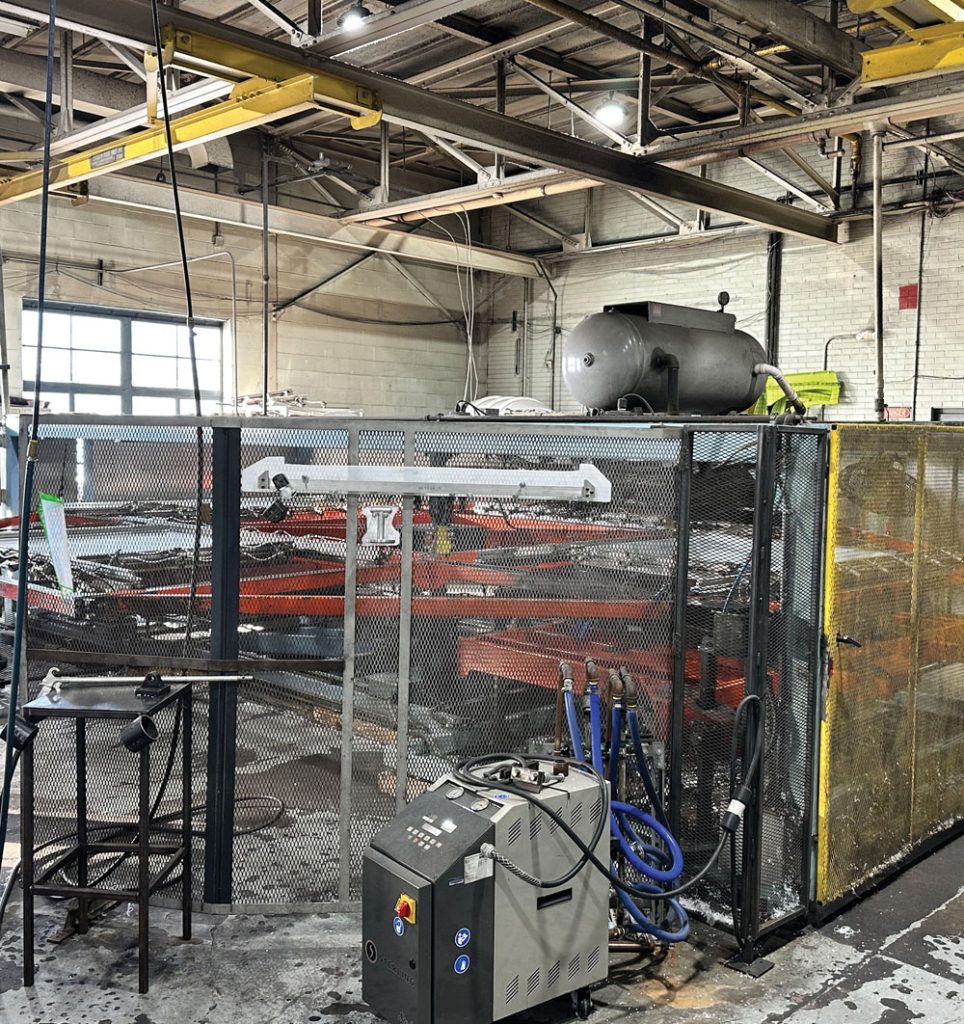
Today, modern vacuum plastic forming systems come in various types and sizes. They are equipped with cutting-edge heaters and vacuum pumps to ensure accuracy and consistency during production. Machines are capable of handling a wide range of materials and designs, from simple parts to products with more complex geometries.
Automation and computer-aided design (CAD) tools have further enhanced the precision of machines, making vacuum forming one of the most efficient manufacturing processes available. Vacuum forming companies also offer value-added services like finishing and assembly, where they use specialized tools to cut, polish, and assemble the product before delivery.
MATERIALS USED IN VACUUM FORMING
One of the reasons that vacuum forming systems are so versatile is that they can utilize a range of materials. Companies can choose from a variety of thermoplastics based on the specific needs of their projects. Commonly used materials include:
- High-density Polyethylene (HDPE)
- High-impact Polystyrene (HIPS)
- Acrylonitrile Butadiene Styrene (ABS)
- Thermoplastic Polyolefin (TPO)
- Polycarbonate (PC)
- Polyethylene Terephthalate Glycol (PETG)
- Polypropylene (PP)
- Polystyrene (PS)
Each material offers unique properties, such as durability, flexibility, or transparency, enabling companies to find the best-fit solution for their needs. Recyclable plastics and eco-friendly options are also available, which can help companies meet sustainability goals.
DESIGN CONSIDERATIONS FOR VACUUM FORMING
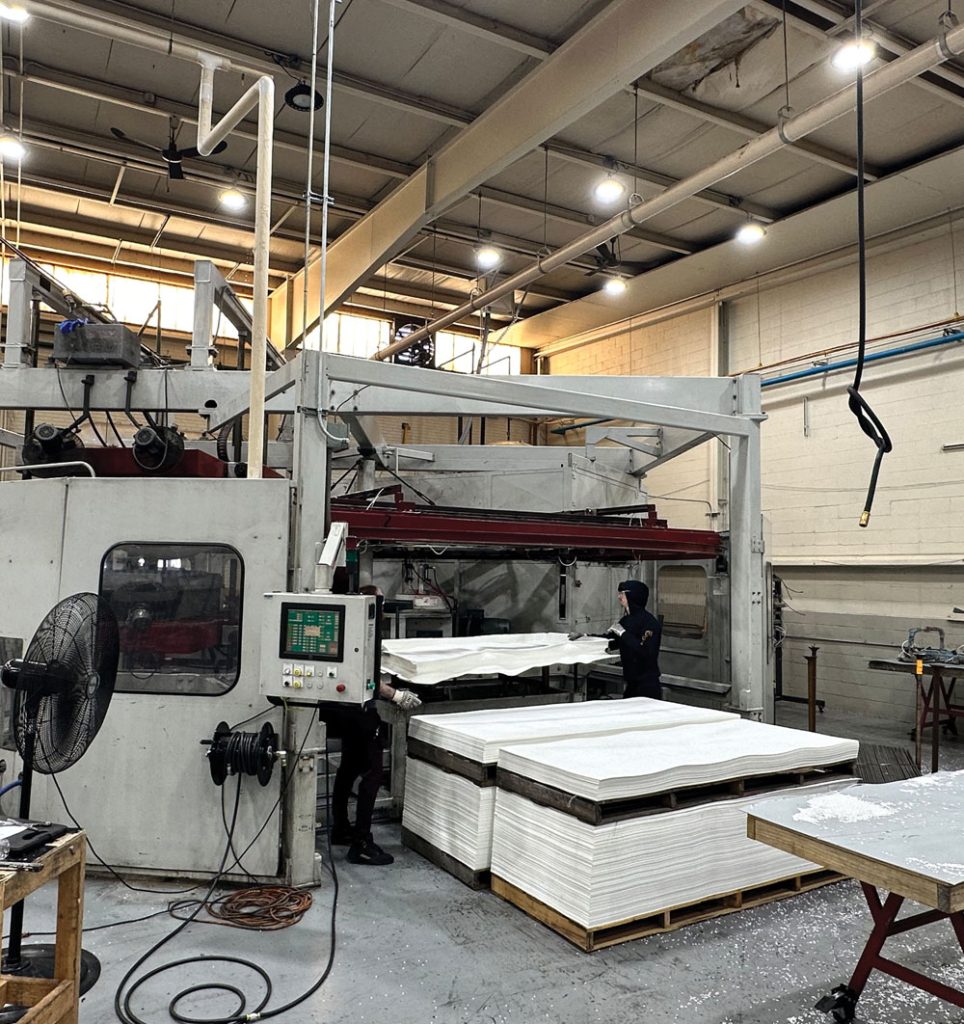
Design is a critical aspect of vacuum forming, as it affects the production efficiency and quality of the final product. When engineers design products, they must consider several factors, including:
- Product size and shape
- Material thickness
- Required quantity
- Customization options (embossing or engraving)
There are also design limitations to keep in mind. Maximum draw ratios and draw depths help ensure consistency and quality throughout the manufacturing process. Top vacuum forming companies will work closely with clients to optimize product designs for both form and function.
A STEP-BY-STEP OVERVIEW OF THE VACUUM FORMING PROCESS
The vacuum forming process is highly scalable and allows for the rapid production of both small and large orders. Here’s how it works:
- Clamping – The machine holds the plastic sheet in place
- Heating – The sheet is heated until it becomes soft and pliable
- Pre-stretching – The sheet is stretched to prepare it for molding
- Vacuuming – The vacuum pump pulls the heated sheet tightly against the mold
- Cooling – The formed plastic is cooled to room temperature so it retains its shape
- Trimming – Excess material is removed from the product
- Releasing – The finished product is released from the machine
ADVANTAGES OF VACUUM FORMING
Vacuum forming offers several key advantages over other manufacturing processes:
- Rapid prototyping and production – Quick turnaround times for both small and large projects
- Versatility – Suitable for a wide range of products and applications
- Lightweight and durable products – High-quality materials ensure durability without added weight
- Cost-effective – Lower production costs due to the simplicity and efficiency of the process
- Scalability – Ideal for both low- and high-volume production runs
VACUUM FORMED PLASTICS APPLICATIONS AND INDUSTRIES
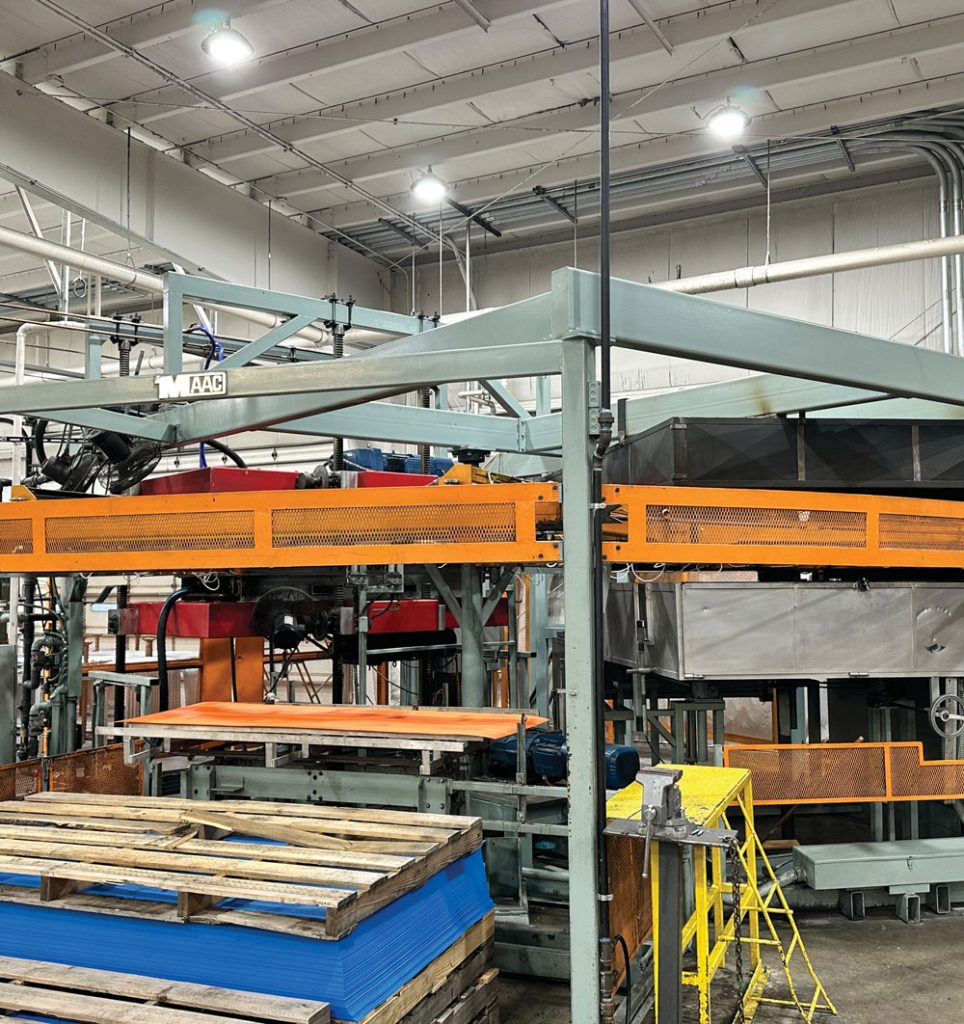
Vacuum forming’s simplicity, versatility, and cost-effectiveness make it an ideal choice for businesses that need high-quality plastic parts produced in large volumes. This covers a wide range of industries, each with its own unique applications and specifications. Here are some of the common sectors that benefit from vacuum forming solutions:
- Automotive – Dashboards, interior panels, and protective covers
- Medical – Device housings, trays, and protective enclosures
- Packaging – Custom packaging for consumer goods, electronics, and food products
- Electronics – Enclosures, protective cases, and custom components
- Sporting goods – Helmets, protective gear, and equipment casings
CUSTOM VACUUM FORMING SERVICES
Customization is one of the most valuable services vacuum forming companies can offer. Custom vacuum forming ensures that products meet your exact specifications, whether you need unique packaging for a high-end product or a specialized component for a medical device.
Custom vacuum forming services typically include:
- Design assistance
- Prototyping
- Production and finishing
By working with a company that offers customized end-to-end solutions, you can ensure a seamless process from concept to delivery that meets and exceeds your expectations.
CHARACTERISTICS OF TOP VACUUM FORMING COMPANIES
Not all vacuum forming companies are created equal. So, how do you identify the best ones? Top manufacturers offer a combination of cutting-edge technology, exceptional customer service, and efficient production capabilities. Here are some characteristics that define the best in the industry:
- Quick mold production and short lead times
- Cost-effective solutions for large-scale projects
- Custom vacuum forming and thermoforming services
- Modern, advanced machinery for high precision and consistency
- Prototyping and design support to ensure product accuracy
- An expert team to provide clear communication and support at every step
- Certifications and affiliations that demonstrate dedication to industry excellence
By carefully evaluating your options, you can select a vacuum forming company that meets your project’s specific requirements.
NEED CUTTING-EDGE SOLUTIONS? TRY VACUUM FORMING FOR YOUR NEXT PROJECT
As industries continue to demand efficient, customizable, and cost-efficient plastic solutions, vacuum forming companies provide the cutting-edge technology and expertise necessary to meet these needs.
Whether you’re in the automotive, medical, or consumer goods sector, partnering with the right vacuum forming company can help bring your product ideas to life with precision and speed.
Interested in learning how vacuum forming can benefit your next project? Contact Cooper Plastics today to learn more or request a quote. We are experts who offer not only vacuum forming but also other capabilities that include rotomolding, injection molding, blow molding, and foam & web injection molding.